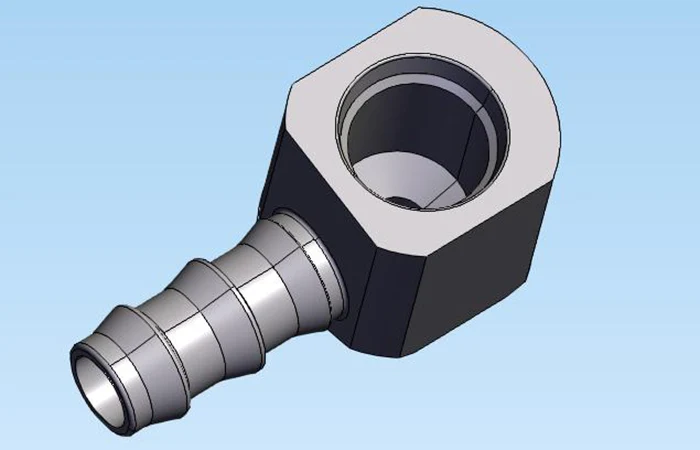
Turning-Milling Composite CNC Machining for High-Precision Bushing Components
The rapid development of modern manufacturing has led to increasingly stringent requirements for the precision, quality, and production efficiency of mechanical parts.


The rapid development of modern manufacturing has led to increasingly stringent requirements for the precision, quality, and production efficiency of mechanical parts.

Cylindrical parts are widely used in aerospace products, primarily as components of actuation systems. They are found in various applications, including door actuation systems and landing gear systems.
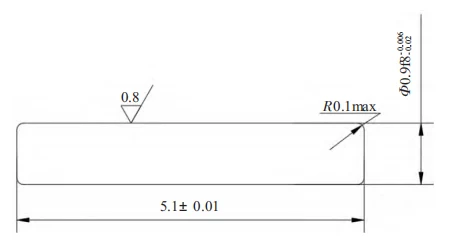
Pins and similar components play an indispensable role across various industries. They are used to connect, support, and facilitate relative motion between parts, offering high connection reliability, excellent stability, superior durability, light weight, ease of machining, and high customizability.
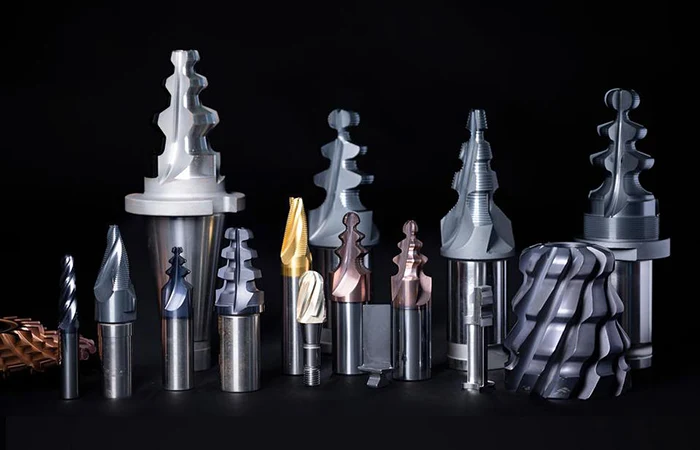
With technological advancements, smart manufacturing has emerged as a core trend in the transformation and upgrading of the manufacturing industry, driving ever-increasing demands for machining precision and efficiency.
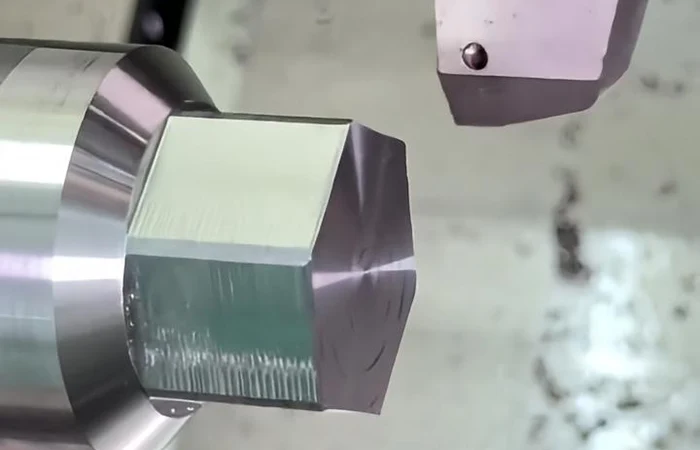
Polygonal parts are common components in the field of machining. Due to their irregular contours featuring multiple flat edges and corners, they place high demands on the rationality of milling processes and machining accuracy.
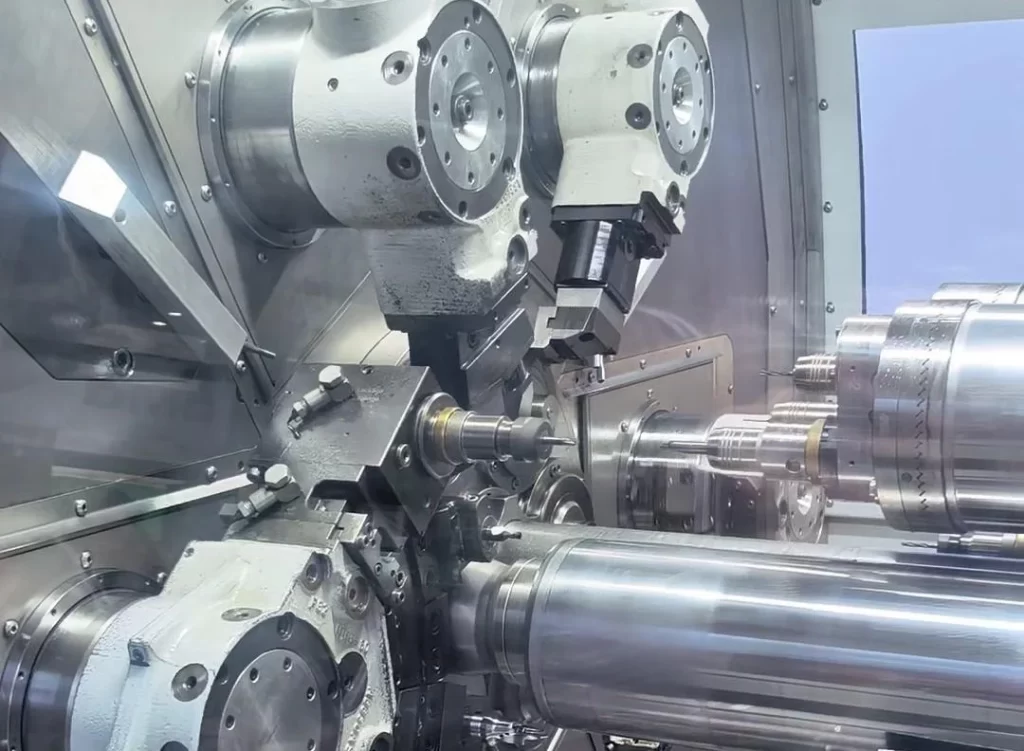
With the continuous development of modern manufacturing, increasingly stringent demands are being placed on the precision, complexity, and production efficiency of components.
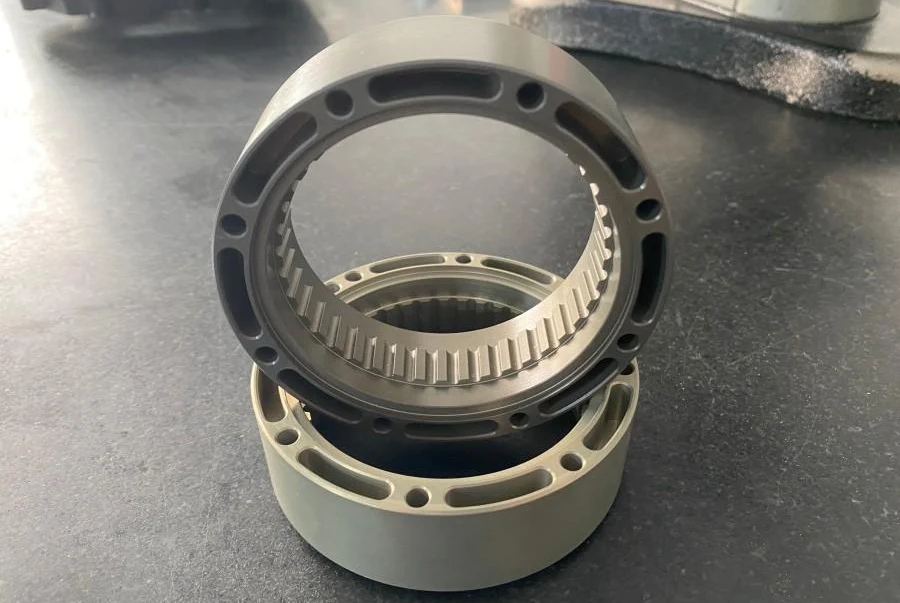
As competition in the automotive industry intensifies, vehicle manufacturers and parts suppliers are placing increasing emphasis on dimensional accuracy, surface quality, and batch consistency, making parts machining a critical factor in vehicle performance.
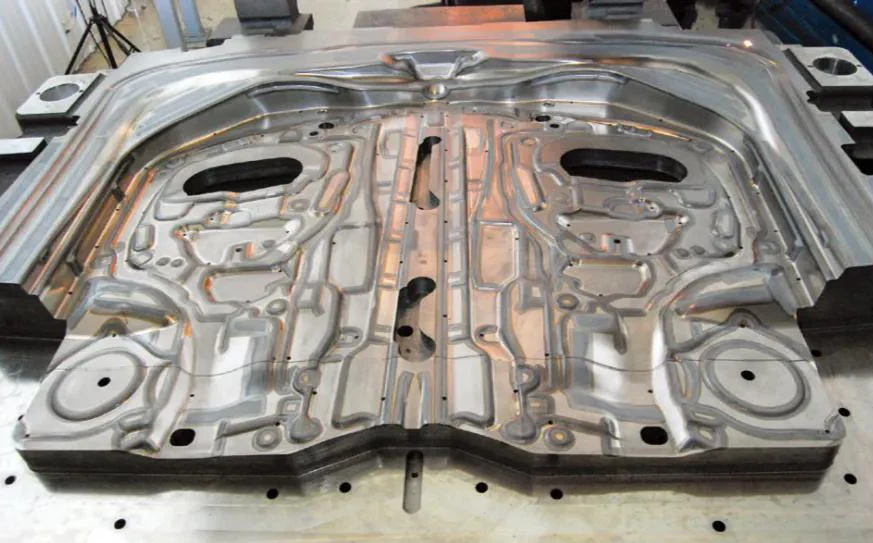
In the field of modern manufacturing, heat treatment is a key process for enhancing the strength, hardness, and other properties of metallic materials.
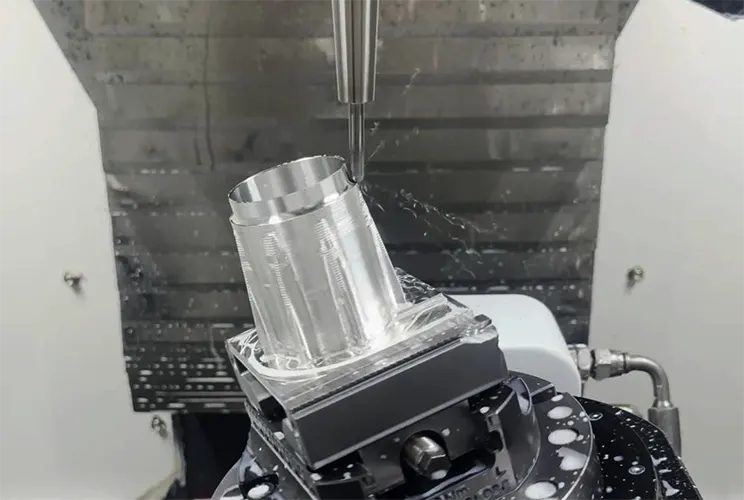
Thin-walled parts offer advantages such as low weight, compact structure, and high material utilization, and are widely used in fields such as aerospace, automotive manufacturing, and precision instrumentation.